Venous interventions are minimally invasive, catheter-based procedures designed to treat diseases affecting the veins of the legs, abdomen, chest, and lungs.
These procedures use ultrasound and real-time imaging to seal faulty veins, remove clots, improve blood flow, and prevent life-threatening complications such as pulmonary embolism.
They are commonly used for varicose veins, venous insufficiency, vascular malformations, deep vein thrombosis (DVT), and pulmonary thromboembolism (PTE). Because they require only a tiny puncture instead of open surgery, venous interventions offer faster healing, fewer complications, and excellent long-term outcomes.
Symptoms of Venous Diseases
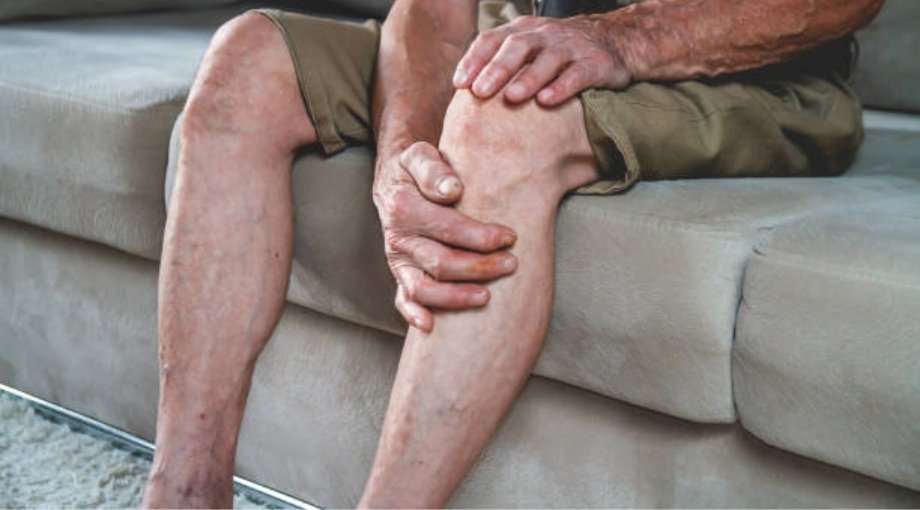
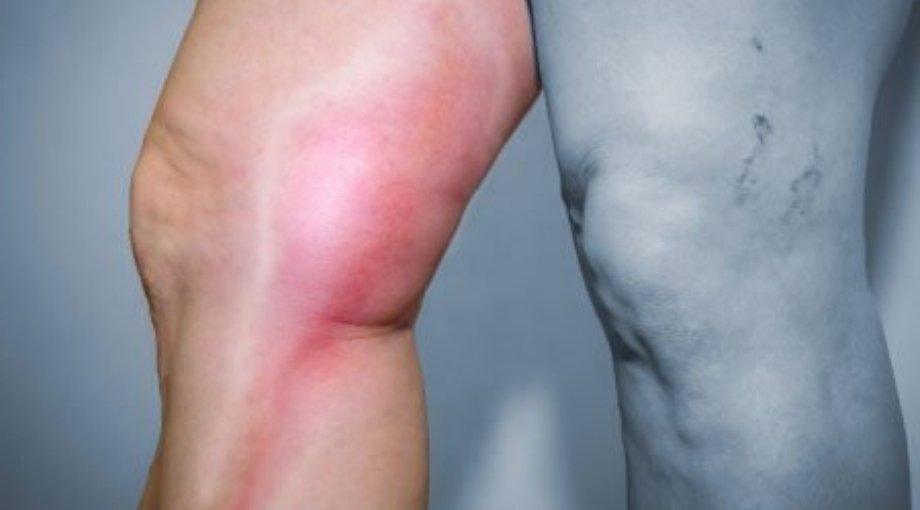
Venous diseases often progress slowly and become noticeable only when blood flow in the legs is significantly affected. When the valves inside the veins stop working properly or when clots form, blood begins to pool, leading to discomfort and visible changes. Recognizing these symptoms early ensures timely treatment and prevents severe complications like ulcers, skin damage, or clots traveling to the lungs.
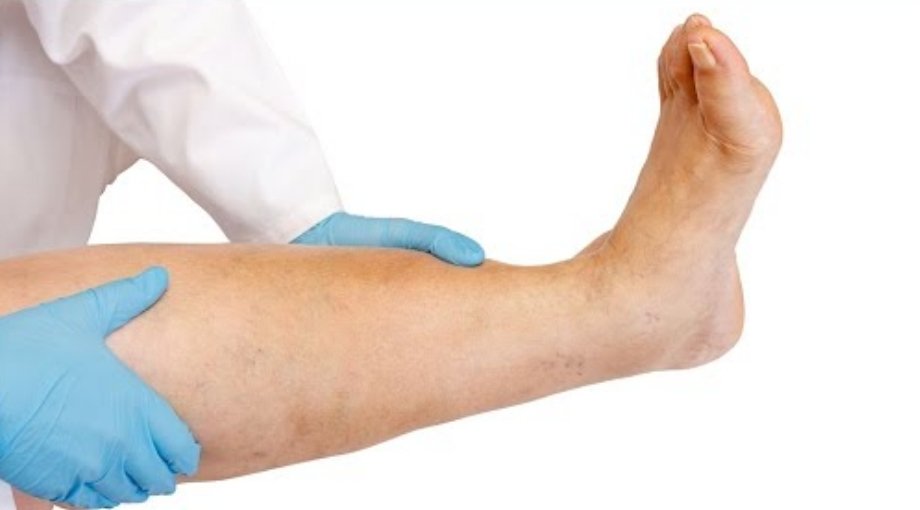
Venous ulcers form when long-standing pressure and swelling damage the skin.
Aftercare & Lifestyle Recommendations
Common Causes of Venous Disease
Prolonged Standing or Sitting
Jobs involving long hours on the feet (teachers, shopkeepers, nurses) or sitting (drivers, office workers) increase vein pressure.
Genetics
Venous insufficiency and varicose veins often run in families and may appear at a younger age.
Previous DVT or Blood Clots
Clots damage valves permanently, creating long-term venous insufficiency known as post-thrombotic syndrome.
Obesity & Sedentary Lifestyle
Excess weight slows blood return and increases stress on leg veins.
Ageing & Hormonal Changes
Veins naturally lose elasticity as we age, making valve failure more common.
Diagnostic Tests for Venous Disease
Accurate diagnosis is essential to understand the cause of vein-related symptoms and to choose the correct treatment. Venous diseases require both functional assessment (blood flow analysis) and structural evaluation (internal imaging).
Venous Doppler Ultrasound
The primary and most important test for varicose veins and DVT. It checks blood flow direction, valve function, clots, and vein size.
Venography (Advanced Imaging)
Used when ultrasound findings are unclear or when planning complex venous interventions.
CT Venography
Detailed imaging used to diagnose DVT in unusual locations or pulmonary embolism (PTE).
D-Dimer Blood Test
A quick blood test used to detect active clot formation in suspected DVT cases.
Specialized Procedures Under Venous Interventions
Varicose Veins
Varicose veins are enlarged, twisted veins that often appear on the legs. They can cause symptoms such as pain, swelling, and a heavy feeling in the legs. These veins occur when the valves in the veins weaken, leading to blood pooling. Treatment for varicose veins helps improve blood flow, reduce discomfort, and enhance the appearance of the legs.
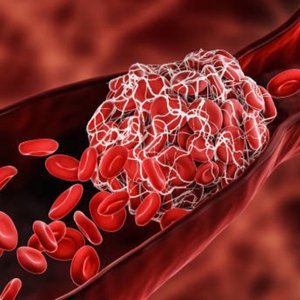
Deep Vein Thrombosis (DVT) is a condition where blood clots form in the deep veins, typically in the legs. It can lead to swelling, pain, and more severe complications if left untreated. DVT needs prompt attention to prevent the clot from traveling to the lungs, causing Pulmonary Thromboembolism (PTE), which can be life-threatening. Early diagnosis and intervention are essential to prevent these complications and improve outcomes.
Other Miscellaneous Venous Services include advanced, minimally invasive treatments for conditions like May-Thurner Syndrome, IVC Filter Placement/Removal, Central Venous Obstruction (CVO), Pulmonary Thromboembolism (PTE), and Vascular Malformations. These procedures, performed using image-guided techniques, restore proper blood flow, relieve symptoms, and ensure faster recovery with minimal complications.
Treatments are done through tiny punctures with no stitches or large incisions.
Faster Recovery
most patients resume daily activities within 1–2 days.
Minimal Pain or Discomfort
Both thermal and non-thermal techniques ensure smooth recovery.
Safe for High-Risk Patients
Suitable for elderly and diabetic individuals.
Lower Risk of Complications
Less bleeding, minimal bruising, and reduced infection risk.
Aftercare & Lifestyle Recommendations
Walk regularly to promote healthy blood flow
Maintain a healthy weight
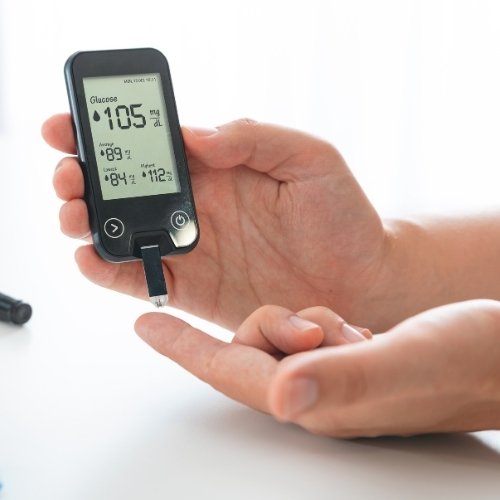
Manage cholesterol, sugar and blood pressure
Stay hydrated
WHY CONSULT
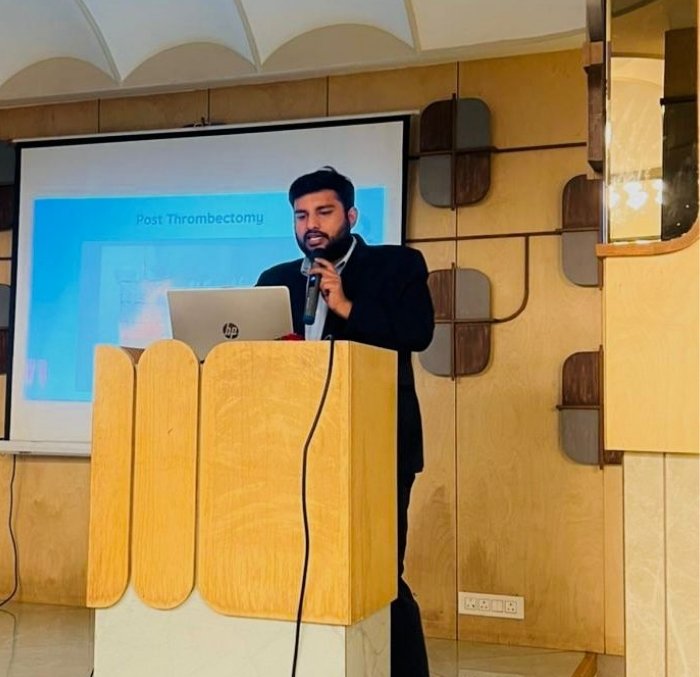
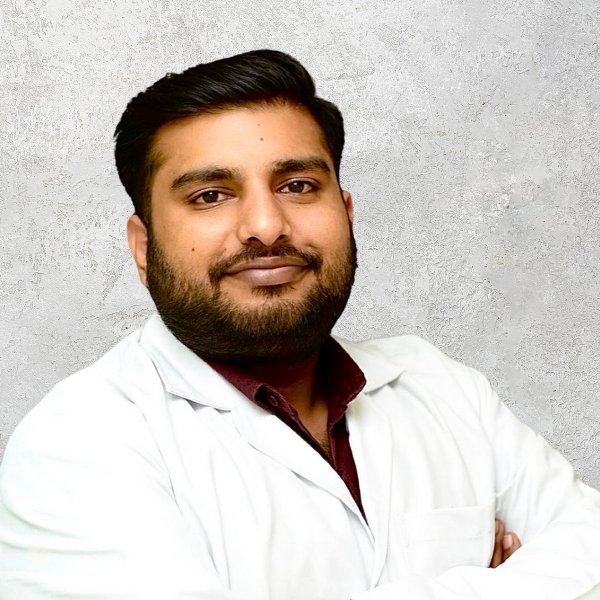
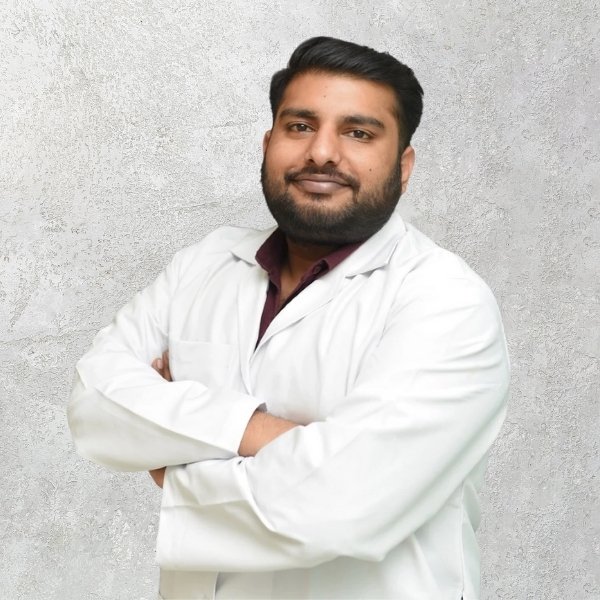
Dr. Vatsal Agrawal?
01. Dual FVIR Fellowships
Advanced training from Nanavati Max Hospital and Mumbai Vascular Foundation (MVF), specialising in venous & endovascular procedures.
02. Experience Across Major Hospitals
Worked with top centres including Hinduja, Saifee, Breach Candy, Nanavati Max, Raheja, and Heart & Vascular Superspeciality Hospitals.
03. Expertise in Varicose Vein & DVT Treatments
Skilled in EVLT, RFA, Venaseal, sclerotherapy, DVT care, and venous malformation treatments.
04. Patient-Focused Approach
Clear communication, personalized treatment plans, and thorough follow-up for the best long-term results.
Frequently Asked Questions
No. They are done under local anesthesia with minimal discomfort.
Most patients resume normal activity within 24–48 hours.
Treated veins do not return; however, new veins may appear if risk factors persist.
Both are highly effective; the choice depends on vein anatomy.
Yes - ulcers, clots, and pulmonary embolism if untreated.
Yes. It is painless, quick, and avoids heat-related risks.
International Recognition & Approval
Endovenous Laser Ablation (EVLT)
Approved by the American Venous Forum (AVF)
EVLT is internationally recognized as a safe and effective procedure for the treatment of varicose veins. According to the American Venous Forum, EVLT offers significant improvement in patients with varicose veins and is considered the gold standard in minimally invasive vein treatment.