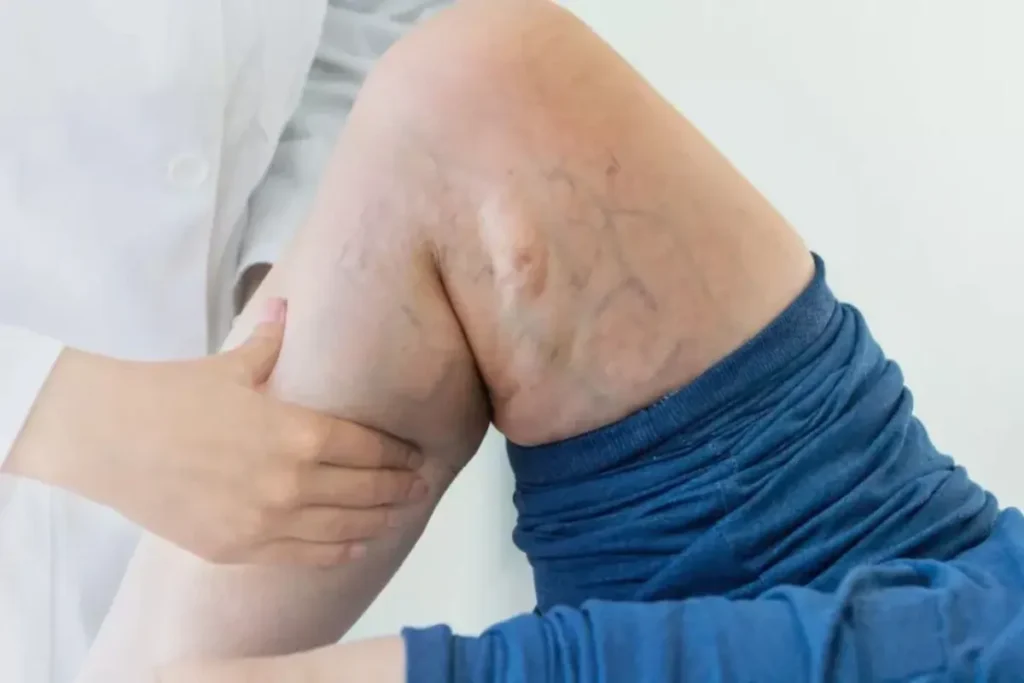
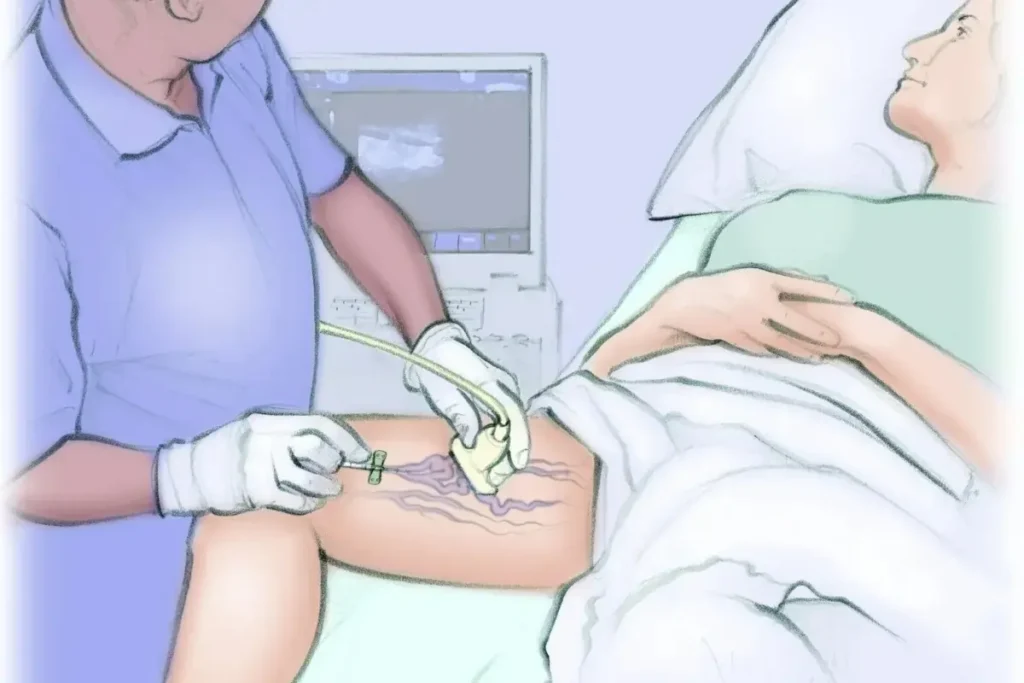
May-Thurner Syndrome occurs when the left iliac vein is compressed by the right iliac artery, leading to reduced blood flow in the lower extremities. This can cause leg swelling, pain, and an increased risk of developing deep vein thrombosis (DVT). Our advanced, minimally invasive procedures help relieve pressure on the veins, restore proper circulation, and reduce the risk of clot formation, offering long-lasting relief with minimal recovery time.
IVC Filter: Placement & Removal
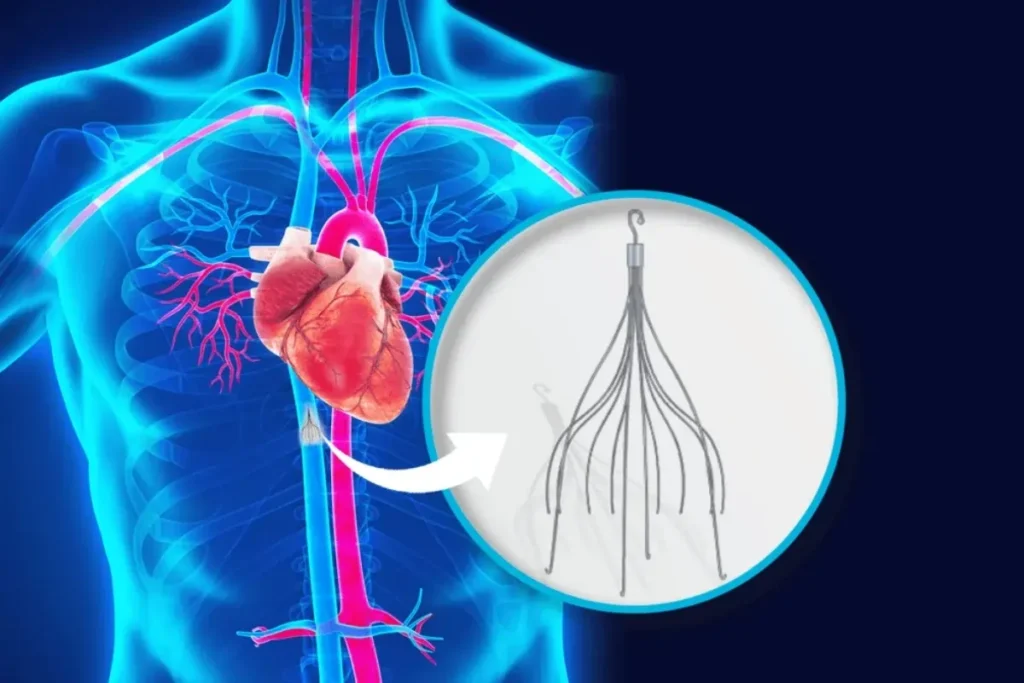
An IVC filter is a small, cage-like device inserted into the inferior vena cava to trap blood clots and prevent them from reaching the lungs, potentially causing a pulmonary embolism. This procedure is often recommended for patients who cannot take blood thinners. The filter can be safely placed through a small puncture, and when the risk of clotting reduces, it can be removed with a simple, minimally invasive procedure, ensuring long-term protection and safety.
Central Venous Obstruction (CVO)
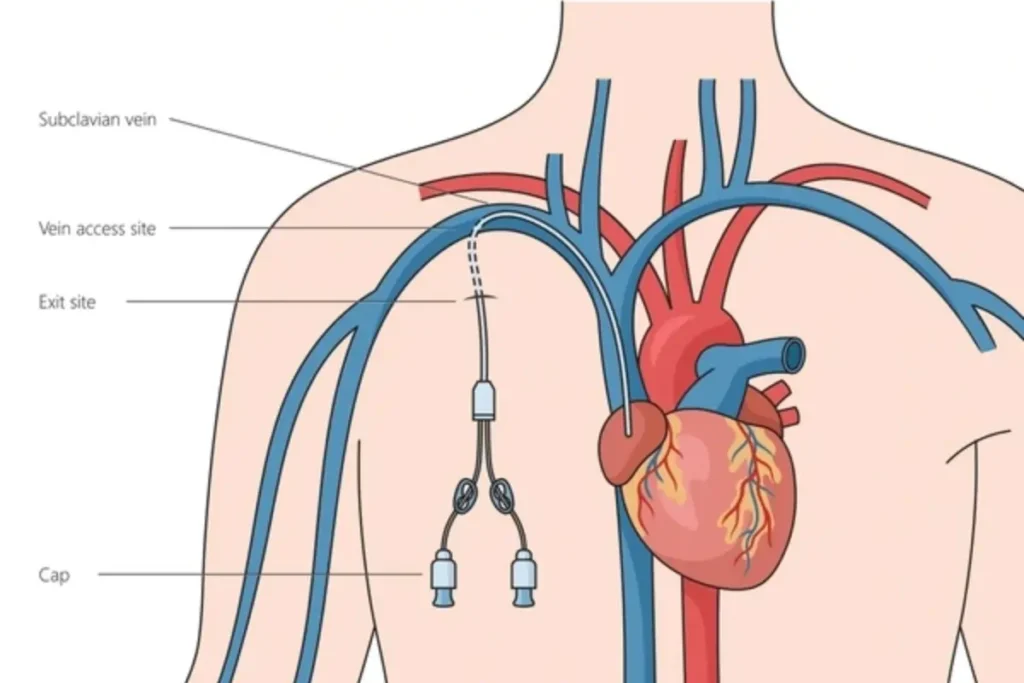
Central Venous Obstruction (CVO) refers to blockages in the central veins, often affecting the blood flow to the heart, arms, or neck. These blockages can be caused by previous catheter placements, tumors, or other factors. Using image-guided techniques, we can safely remove the obstruction, restore proper blood flow, and reduce symptoms like swelling or discomfort, significantly improving your quality of life with minimal downtime.
Pulmonary Thromboembolism (PTE)
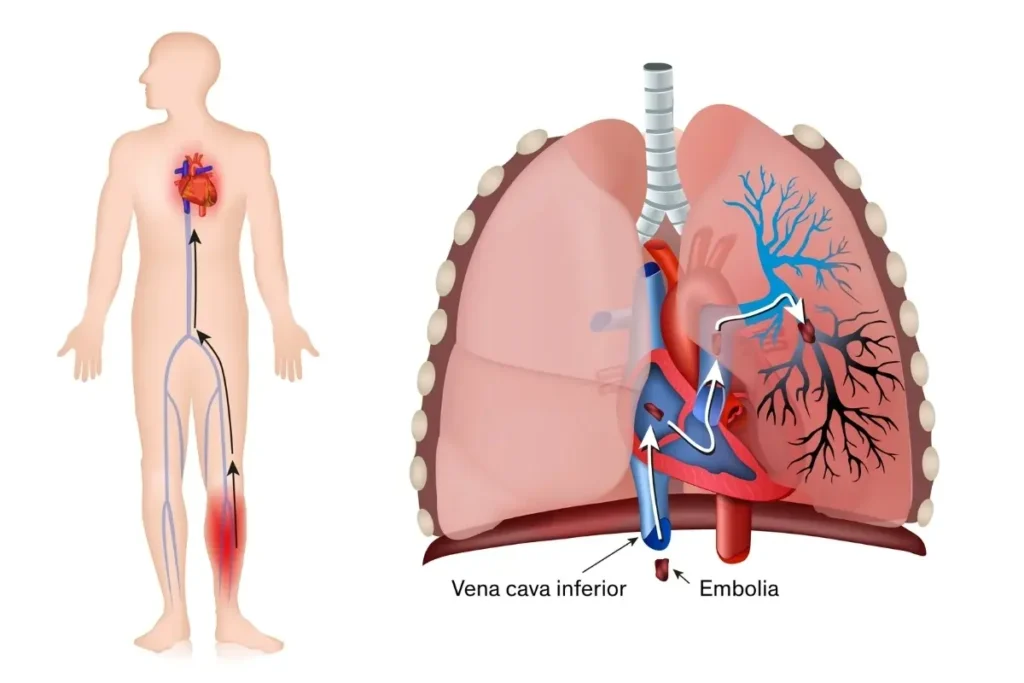
Pulmonary Thromboembolism (PTE) occurs when a blood clot travels to the lungs, leading to chest pain, difficulty breathing, and a life-threatening emergency. With our advanced, minimally invasive techniques, we perform targeted embolization or clot removal procedures to clear the blockage and restore normal blood flow to the lungs, reducing the risk of heart strain and improving overall recovery times for patients in critical condition.
Vascular Malformations
Vascular malformations are abnormal clusters of veins, arteries, or capillaries that can cause pain, swelling, bleeding, or cosmetic issues. Using image-guided embolization or sclerotherapy, we can block or shrink these abnormal vessels safely, improving both function and appearance. These procedures are minimally invasive, with a quick recovery time and significant long-term benefits for patients with complex vascular issues.
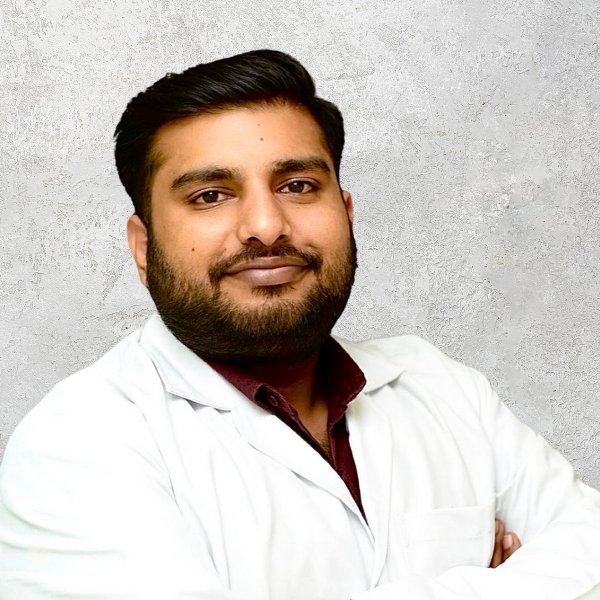
Dr. Vatsal Agrawal
He is a skilled Vascular & Interventional Radiologist known for performing advanced, minimally invasive arterial treatments with precision and safety.
Book Your Consultation With Dr. Vatsal
Our advanced, minimally invasive treatments can help restore proper blood flow and improve your quality of life.