Onco-interventions are minimally invasive, image-guided procedures performed by interventional radiologists to diagnose and treat cancer and its complications.
These treatments are delivered through tiny skin punctures using ultrasound, CT scan, or fluoroscopy, avoiding large surgical incisions.
They play a vital role in cancer care by offering targeted tumor treatment, accurate tissue diagnosis, pain relief, drainage of cancer-related collections, and management of complications such as bile duct blockage, urinary obstruction, or bleeding. Onco-interventions are often used alongside surgery, chemotherapy, and radiation therapy - and in many cases, provide a safer alternative for patients who are unfit for major surgery.
Symptoms for Onco-Interventions
Cancer and tumor-related conditions can affect normal organ function and lead to distressing symptoms. Onco-interventions help manage both early and advanced disease by treating tumors directly or relieving complications caused by tumor growth.
Tumor compression causing jaundice or kidney dysfunction.
Recurrent Cancer-Related Fluid Collections
Ascites, pleural effusion, or abscesses requiring repeated drainage.
Need for Accurate Tissue Diagnosis
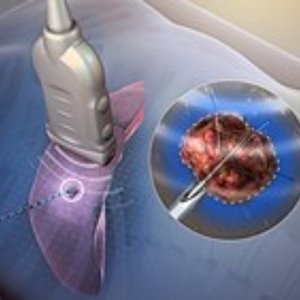
USG or CT-guided biopsies for definitive cancer diagnosis.
Requirement for Targeted Tumor Therapy
Localized treatment such as embolization or ablation.
Diagnostic Tests for Onco Interventions
Accurate imaging is essential for safe planning and precise execution of onco-interventional procedures. These tests help identify tumor location, size, blood supply, and surrounding structures.
Ultrasound (USG)
Provides real-time guidance for biopsies, drainages, catheter placements, and ablation procedures with high accuracy.
CT Scan
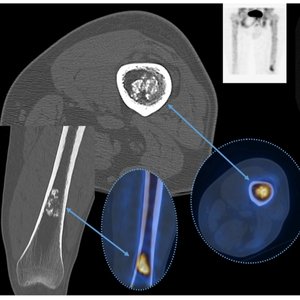
Offers detailed cross-sectional images for tumor mapping, staging, and procedural planning.
Fluoroscopy
Live X-ray imaging used during biliary drainage, vascular access, and embolization procedures.
Angiography
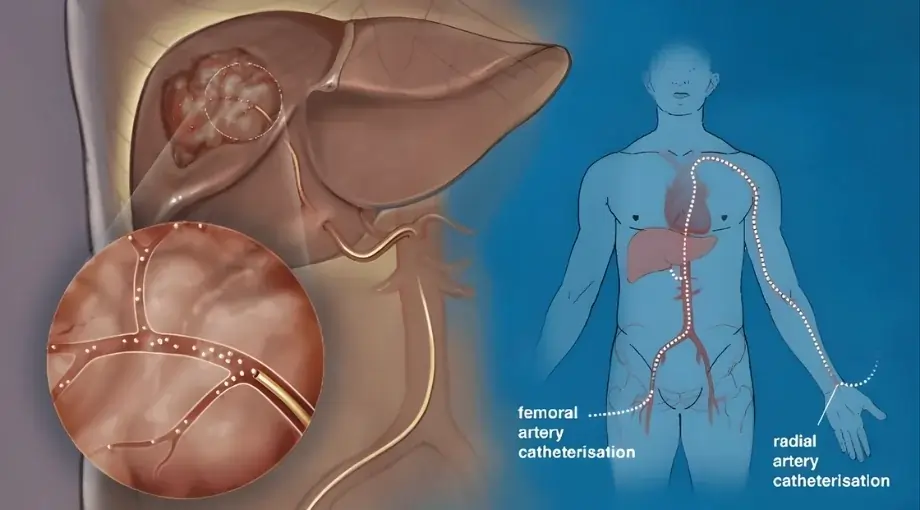
Visualizes tumor blood supply before embolization or targeted arterial therapies like TACE or TARE.
Specialized Procedures Under Onco Interventions
Biopsies & Drainage
Biopsies and drainage procedures play a crucial role in diagnosing and relieving complications related to cancer. These interventions help obtain accurate tissue samples for diagnosis and manage abnormal fluid or infection build-up caused by tumors. They provide timely relief, reduce discomfort, and support better treatment planning with minimal impact on the patient’s daily life.
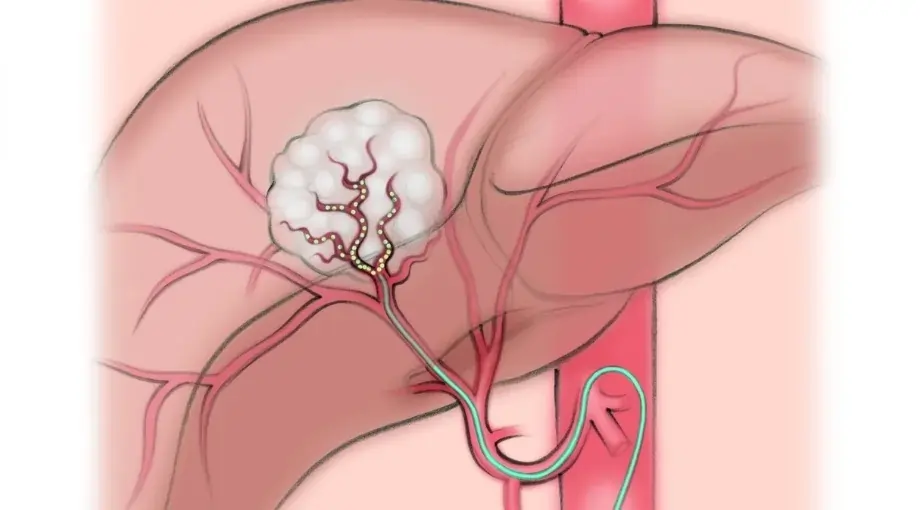
TACE is used for cancers where targeted treatment inside the blood supply of the tumor offers better disease control. It helps slow tumor growth, reduce symptoms, and improve outcomes in patients who may not be suitable for surgery. This focused approach allows treatment to act directly on the tumor while preserving surrounding healthy tissue.
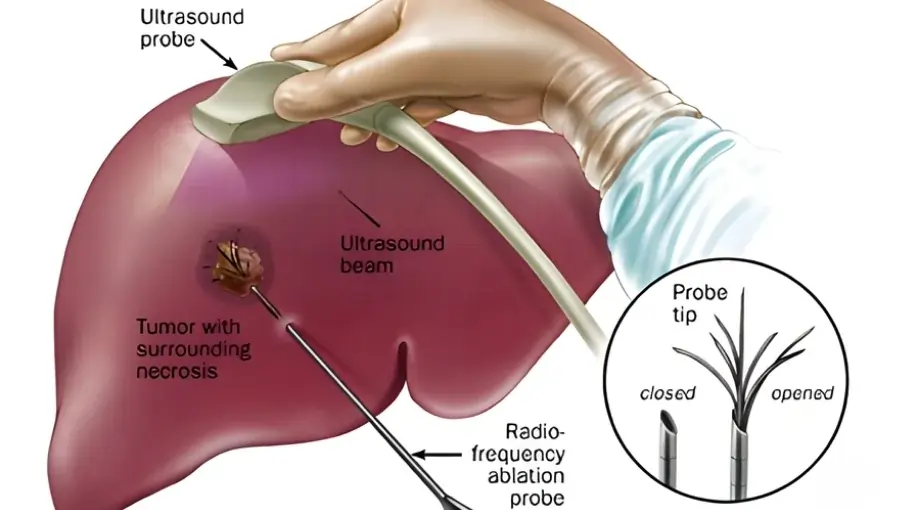
Tumor ablation is a minimally invasive option used to destroy tumors without open surgery. It is commonly used when precise local treatment is needed with faster recovery and organ preservation. Ablation helps control tumor progression, reduce pain, and improve quality of life, especially in patients requiring targeted therapy.
Other Miscellaneous Venous Services include advanced, minimally invasive treatments for conditions like USG guided lines and catheter insertion, Chemo-Port, Y-90 Trans-arterial Radioembolization (TARE), Angio-Embolisation for active bleeders, Pre-operative Embolisation of Vascular tumours. These services address needs such as targeted radiation delivery, control of tumor-related bleeding, long-term treatment access, and pre-surgical tumor management.
Procedures are performed through tiny image guided punctures, avoiding large incisions and surgical trauma.
Faster Recovery
Most patients recover quickly and can resume routine activities within a short time.
Reduced Pain & Complications
Less blood loss, lower infection risk, and significantly reduced post-procedure discomfort.
Safe for High-Risk Patients
Ideal for elderly patients or those unfit for major surgery due to advanced disease or medical conditions.
Improved Quality of Life
Effective symptom relief, better disease control, and enhanced overall comfort during cancer care.
Aftercare & Lifestyle Recommendations
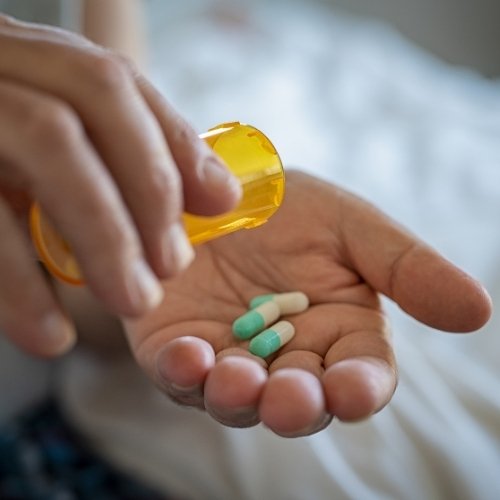
Follow prescribed medications
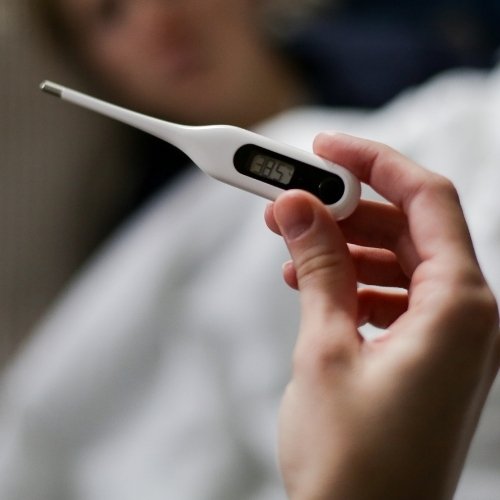
Report fever, pain, or swelling early
Attend scheduled imaging follow-ups
Maintain nutrition and hydration
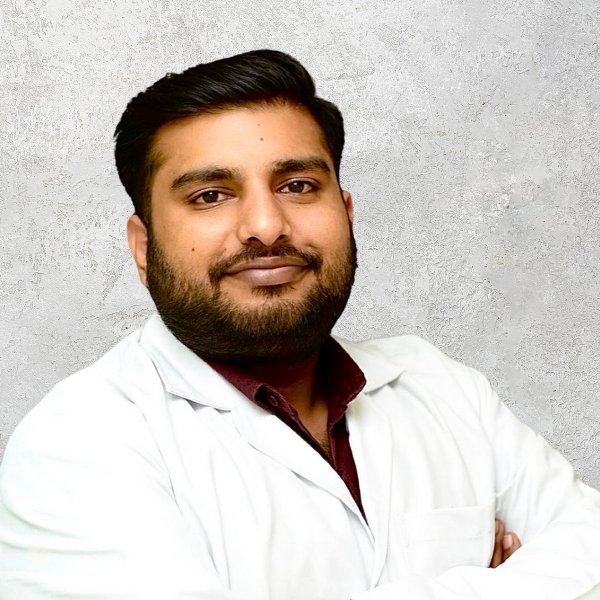
WHY CONSULT Dr. Vatsal Agrawal for Onco Interventions?
01. Dual FVIR Fellowships
Advanced training from Nanavati Max Hospital and Mumbai Vascular Foundation (MVF).
02. Experience Across Major Hospitals
Worked with top centres including Hinduja, Saifee, Breach Candy, Nanavati Max, Raheja, and Heart & Vascular Superspeciality Hospitals.
03. Expertise in Cancer-Focused Interventions
Skilled in biopsies, ablations, embolization, TACE, TARE, and supportive onco-procedures.
04. Patient-Focused Approach
Clear communication, personalized treatment plans, and thorough follow-up for the best long-term results.
Frequently Asked Questions
Most are done under local anesthesia with minimal discomfort.
In selected cases, yes - especially for high-risk patients.
Yes, many are designed to support or complement chemotherapy.
Most patients recover within 1–2 days.
Yes, all are image-guided for precision and safety.
Yes, many procedures directly target and shrink tumors.
International Recognition & Approval
Trans-Arterial Chemoembolization (TACE)
Approved by the European Society of Medical Oncology (ESMO)
TACE is internationally recognised as an effective and well-established treatment for selected liver cancers. According to the European Society of Medical Oncology, TACE plays a key role in controlling tumour growth, improving survival, and managing symptoms. It is widely accepted as a standard, evidence-based, minimally invasive cancer treatment across Europe and globally.