Nephrology and musculoskeletal (MSK) interventions are minimally invasive, catheter-based procedures performed under ultrasound, fluoroscopy, or CT guidance.
These treatments focus on providing safe vascular access for dialysis, managing renal and transplant-related complications, and treating chronic joint or lymphatic conditions without open surgery.
They play a vital role in maintaining long-term dialysis access, restoring blood flow in narrowed veins, relieving urinary obstruction, managing post-transplant complications, and treating chronic knee pain or lymphatic leaks. By avoiding major surgery, these interventions ensure faster healing, fewer complications, and improved quality of life.
Symptoms for Nephrology & MSK Interventions
Patients requiring nephrology or MSK interventions may present with access-related issues, kidney obstruction, transplant complications, or chronic joint pain. Early intervention prevents serious complications and preserves organ function.
Reduced thrill or bruit affecting dialysis efficiency.
Aftercare & Lifestyle Recommendations
Common Causes of Nephrology & MSK Interventions
Chronic Kidney Disease (CKD)
Requiring long-term dialysis access and maintenance.
AV Fistula or Graft Dysfunction
Narrowing or blockage reducing dialysis efficiency.
Central Vein Stenosis
Often due to repeated catheter placements.
Renal Transplant Complications
Vascular or drainage-related issues post-transplant.
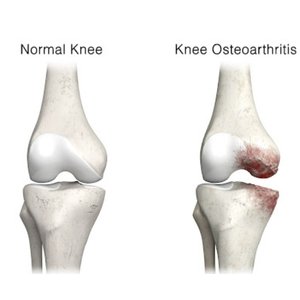
Advanced Knee Osteoarthritis
Causing pain due to abnormal blood supply.
Diagnostic Tests for Nephrology & MSK Interventions
Accurate imaging ensures correct diagnosis and safe treatment planning.
Ultrasound (USG)
Used for catheter placement, fistula assessment, renal drainage, and real-time guidance.
Doppler Ultrasound
Evaluates blood flow in dialysis fistulas, grafts, and transplant vessels.
CT Scan
Helps identify urinary obstruction, transplant complications, or lymphatic leaks.
Fluoroscopy
Live imaging for catheter placement, fistuloplasty, venoplasty, and embolisation procedures.
Specialized Procedures Under Nephrology & MSK Interventions
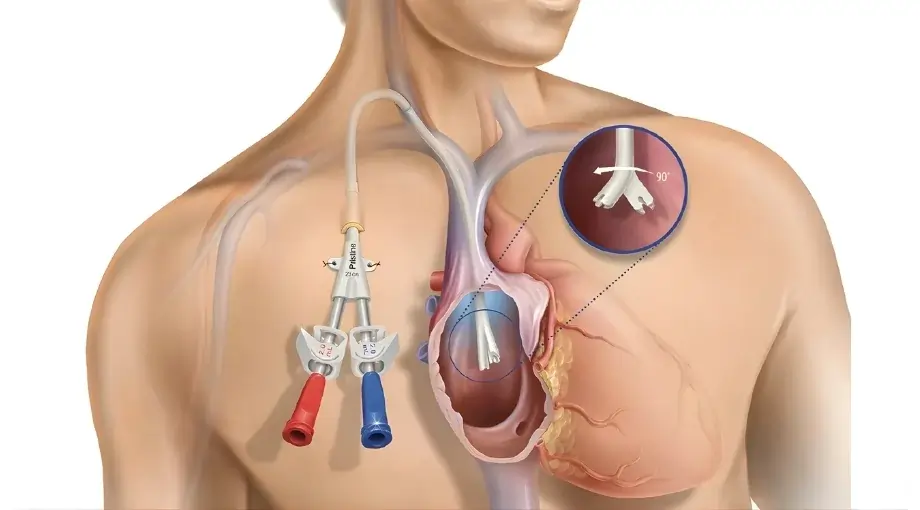
Hemodialysis Catheter Insertion
Temporary dialysis catheters are placed under ultrasound guidance to provide immediate vascular access. This ensures safe and efficient dialysis initiation while minimizing infection and complication risks.
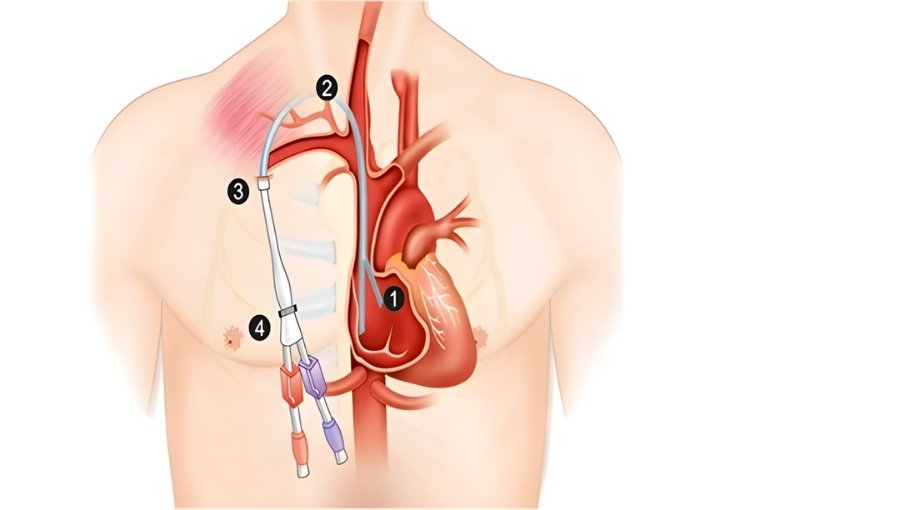
Permacath Catheter Insertion
Permacaths provide long-term dialysis access through a tunneled catheter system. They offer better durability, lower infection risk, and improved patient comfort compared to temporary catheters.
Fistulogram & Fistuloplasty
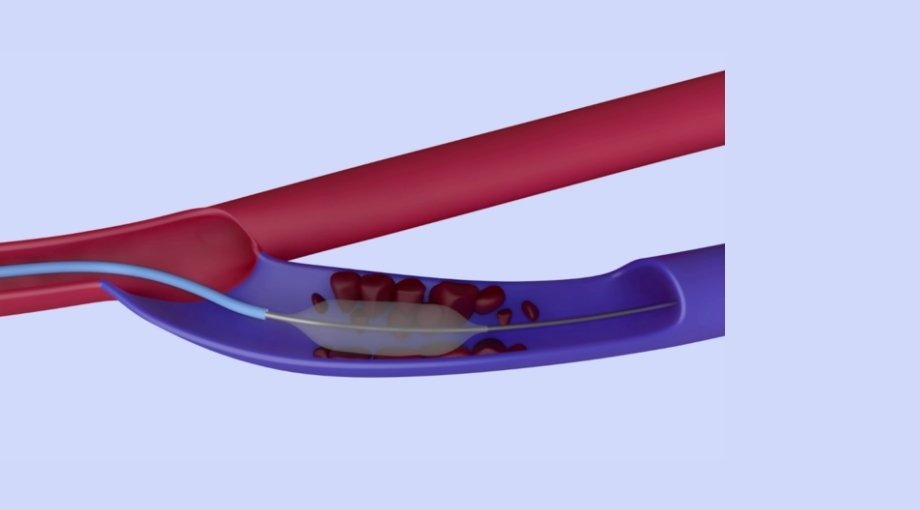
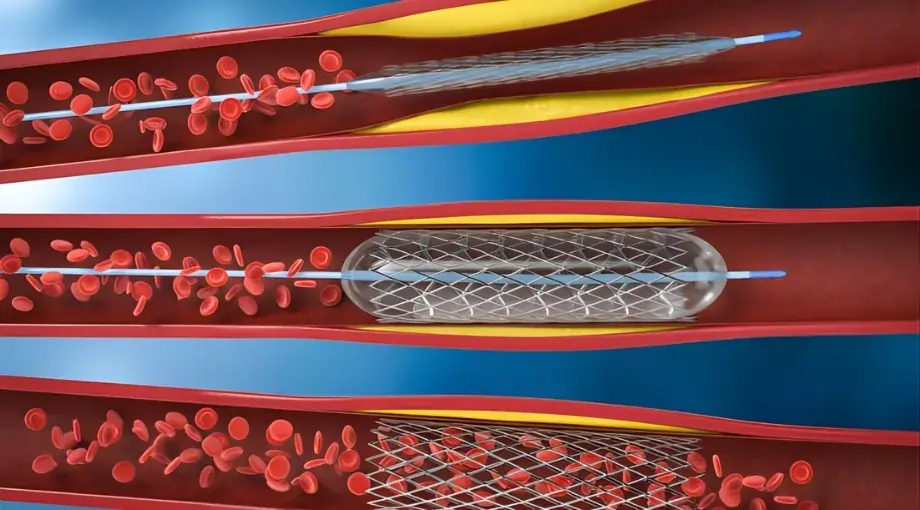
Imaging of AV fistulas identifies narrowing or blockage affecting dialysis flow. Balloon angioplasty restores patency, prolongs fistula life, and prevents access failure.
Central Venoplasty & Stenting
This procedure treats narrowing of central veins caused by repeated catheter use. Venoplasty with or without stenting restores venous drainage, relieving swelling and preserving dialysis access.
Renal Transplant Interventions
Minimally invasive procedures manage post-transplant complications such as vascular narrowing, fluid collections, or graft dysfunction. These interventions help protect graft function and avoid repeat surgery.
PCN & DJ Stenting
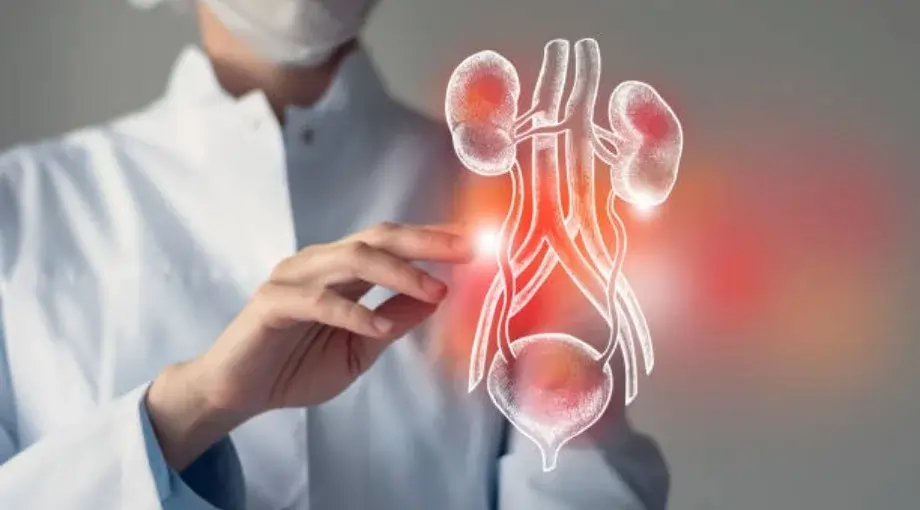
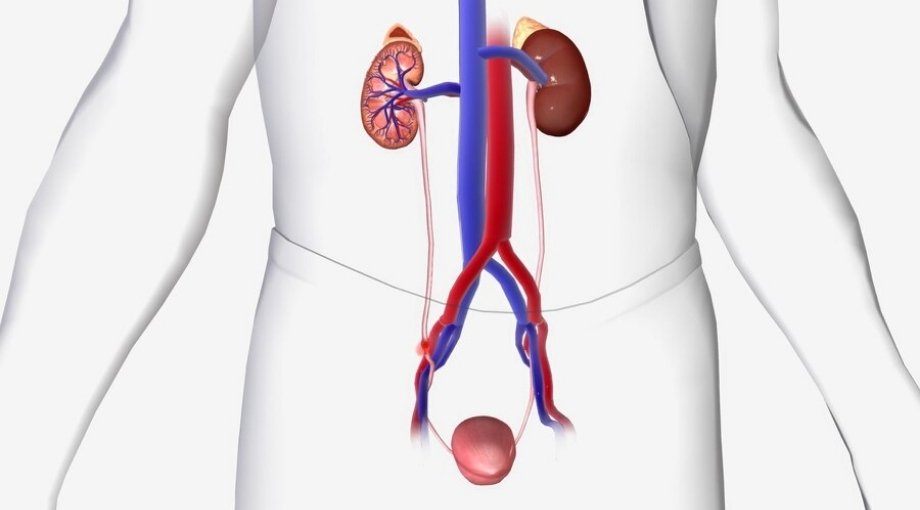
PCN drains urine directly from the kidney, while DJ stents maintain internal urinary drainage. These procedures relieve obstruction, prevent infection, and protect kidney function.
Genicular Artery Embolisation (GAE)
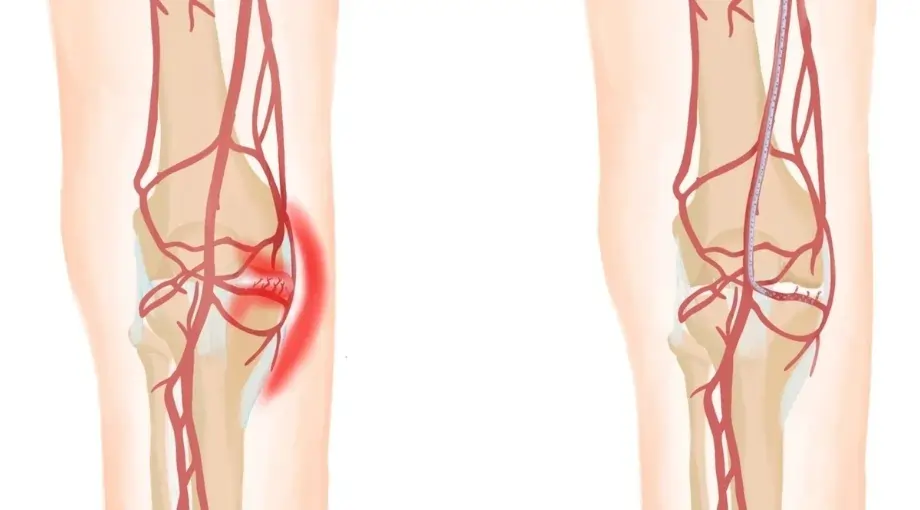
GAE treats chronic knee pain by reducing abnormal blood flow to inflamed joint tissues. It provides pain relief for osteoarthritis patients who are unfit for surgery or wish to delay joint replacement.
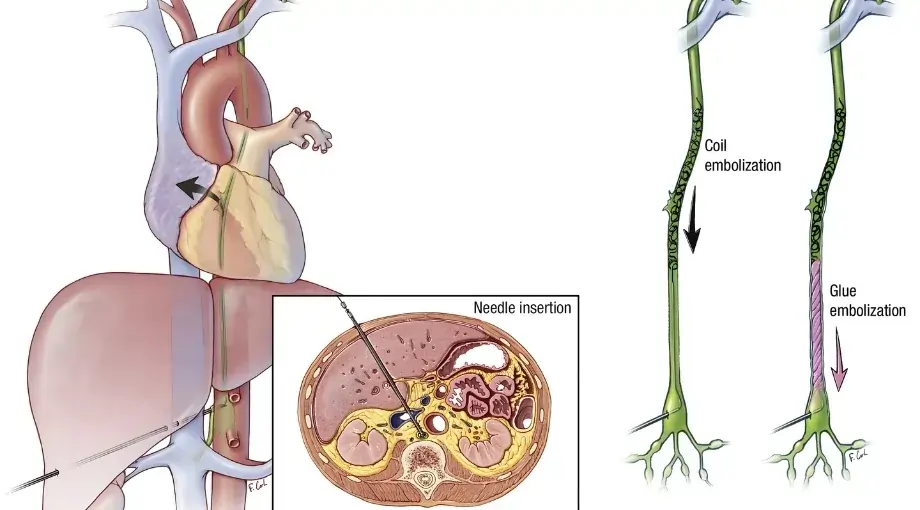
Thoracic Duct Embolisation
This procedure seals lymphatic leaks causing chylothorax or persistent effusions. Image-guided embolization stops leakage safely and avoids major thoracic surgery.
Benefits of
Minimally Invasive Nephrology & MSK Interventions
No Major Surgery Required
Procedures are performed through tiny punctures without large incisions.
Faster Recovery
Most patients resume normal activities within 1–2 days.
Minimal Pain or Discomfort
Local anesthesia and precise imaging ensure comfort.
Safe for High-Risk Patients
Ideal for elderly and medically complex individuals.
Lower Risk of Complications
Reduced infection, bleeding, and hospital stay.
Aftercare & Lifestyle Recommendations
Attend regular follow-up imaging
Report pain, swelling, or reduced flow immediately
Stay hydrated and follow renal diet advice
Follow catheter or access care instructions
WHY CONSULT Dr. Vatsal Agrawal For Nephrology & MSK Interventions?
01. Dual FVIR Fellowships
Advanced training from Nanavati Max Hospital and Mumbai Vascular Foundation (MVF), specialising in venous & endovascular procedures.
02. Experience Across Major Hospitals
Worked with top centres including Hinduja, Saifee, Breach Candy, Nanavati Max, Raheja, and Heart & Vascular Superspeciality Hospitals.
03. Expertise in Dialysis & Renal Access Care
Highly skilled in catheter placement, fistuloplasty, venoplasty, and transplant-related interventions.
04. Patient-Focused Approach
Clear communication, personalized treatment plans, and thorough follow-up for the best long-term results.
Frequently Asked Questions
No, they are done under local anesthesia with minimal discomfort.
Most patients recover within 24–48 hours.
Yes, timely interventions significantly prolong access life.
It reduces pain and may delay or avoid surgery in selected patients.
Yes - ulcers, clots, and pulmonary embolism if untreated.
If dialysis flow reduces, swelling occurs, or pain persists.
International Recognition & Approval
Nephrology & Musculoskeletal (MSK) Interventions
Approved by the Society of Interventional Radiology (SIR)
According to international bodies such as the Society of Interventional Radiology (SIR) and the European Society of Urogenital Radiology (ESUR), image-guided procedures like dialysis catheter placement, fistuloplasty, nephrostomy drainage, and MSK embolization offer reliable outcomes with reduced complications.