
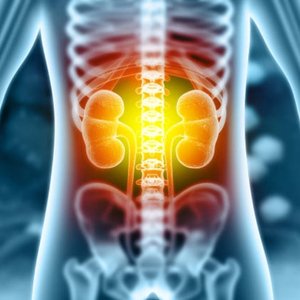

The Art & Science Of Minimally Invasive Healing

Embolization

Understanding Embolization

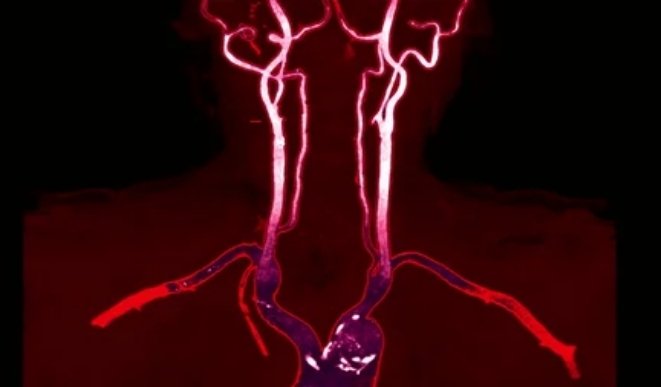
Embolization is a minimally invasive procedure used to block abnormal blood flow in arteries or veins, effectively treating conditions such as aneurysms, tumors, fibroids, or vascular malformations. Using image-guided catheter techniques, a small material (coils, particles, or liquid agents) is delivered directly to the target blood vessel, reducing blood supply to the affected area. This advanced intervention provides effective symptom control and disease management while avoiding open surgery and minimizing recovery time.

What Is Embolization?

Also called vascular embolization, the procedure involves inserting a thin catheter into an artery or vein under imaging guidance. Once the catheter reaches the target site, embolic material is released to block blood flow to abnormal vessels, tumors, or bleeding areas. Embolization can be therapeutic (to treat disease) or preventative (to stop bleeding during surgery).

When Embolization Is Needed

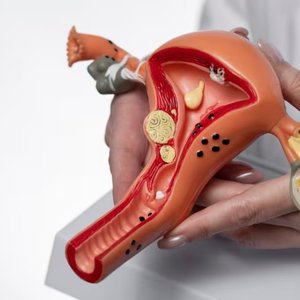
Uterine fibroids

Causing heavy menstrual bleeding or pain

Aneurysms

At risk of rupture in the brain, kidneys, or other organs

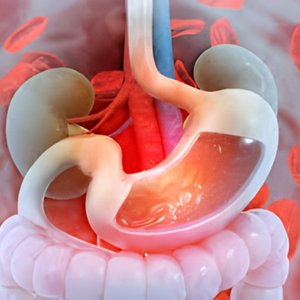
Gastrointestinal bleeding

Uncontrolled bleeding from ulcers or vascular malformations

Tumors

Liver, kidney, or bone tumors where reduced blood supply aids treatment or shrinks the tumor

Causes and Risk Factors

The need for embolization arises from abnormal vascular conditions, including:

Aftercare & Lifestyle
Recommendations

Complications

While embolization is generally safe, potential risks include:

Pain or cramping

commonly in the treated area
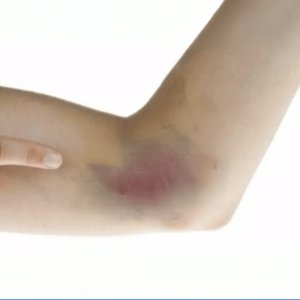
Minor bleeding or bruising

Minor bleeding or bruising at the catheter insertion site
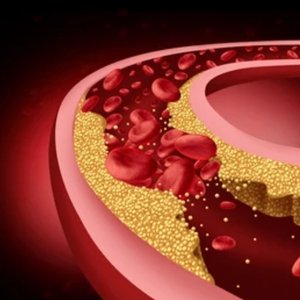
Non-target embolization

Accidental blockage of healthy vessels

Rare events

Infection, allergic reaction, or tissue damage
Treatment Options

Embolization techniques are tailored to the condition being treated:

WHY CONSULT

Dr. Vatsal Agrawal?

Dr. Vatsal is a leading interventional radiologist specializing in arterial interventions, with years of experience. Patients choose him for:

01. Precision & Safety

Image-guided, minimally invasive embolization ensures accurate targeting with minimal risk.

02. Personalized Approach

Treatment is customized for each patient based on anatomy, condition, and clinical goals.

03. Reduced Recovery Time

Minimally invasive technique allows faster return to normal activities compared to open surgery.

04. Comprehensive Follow‑Up Care

Careful monitoring ensures effective treatment outcomes and long-term vascular health.

Dr. Vatsal Agrawal

He is a skilled Vascular & Interventional Radiologist known for performing advanced, minimally invasive arterial treatments with precision and safety.


Book Your Consultation With Dr. Vatsal

Schedule an evaluation to manage abnormal blood flow safely and effectively.

Scroll to Top