Angioplasty Expert in Ahmedabad
Understanding Angioplasty
For patients seeking an angioplasty expert in Ahmedabad, this minimally invasive arterial procedure is designed to widen narrowed or blocked arteries, improving blood flow and preventing serious complications such as chest pain, heart attack, or limb ischemia. Using image-guided techniques, a specialized balloon catheter is carefully inserted into the artery and expanded at the site of blockage. In many cases, a stent a tiny metal scaffold is placed to keep the artery open long-term. This advanced intervention provides effective symptom relief with shorter recovery time compared to traditional surgery.
What Is Angioplasty?
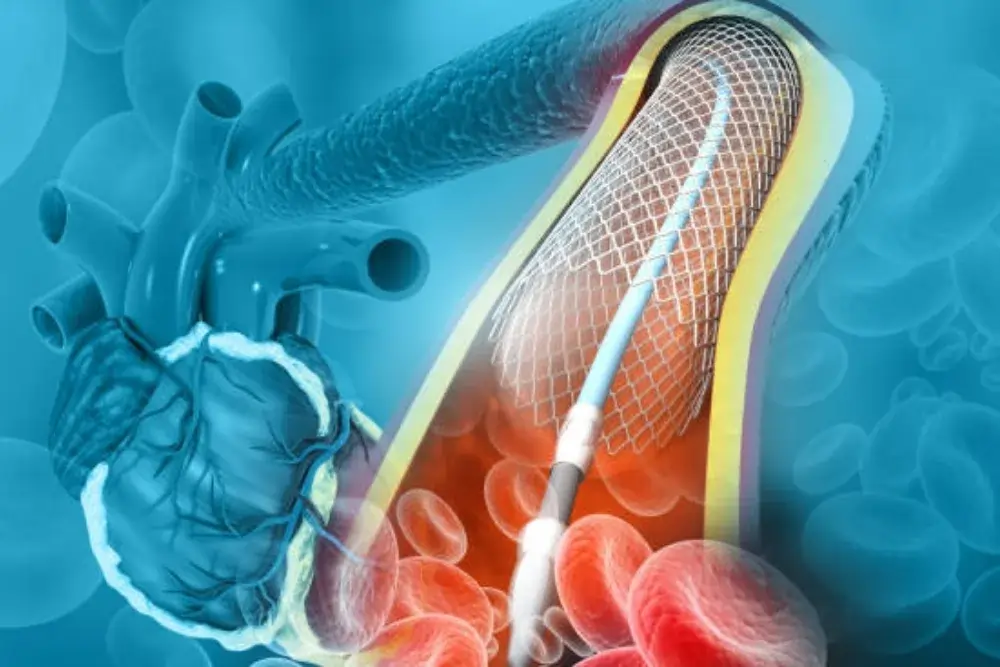
Angioplasty also known as Percutaneous Transluminal Angioplasty (PTA) or Balloon Angioplasty is performed by threading a thin tube (catheter) through an artery (often via the wrist or groin) under imaging guidance. A small balloon on the catheter tip is inflated at the blocked segment to compress plaque and widen the artery. A stent may be deployed to maintain vessel patency and reduce the risk of re‑narrowing.
When Angioplasty Is Needed
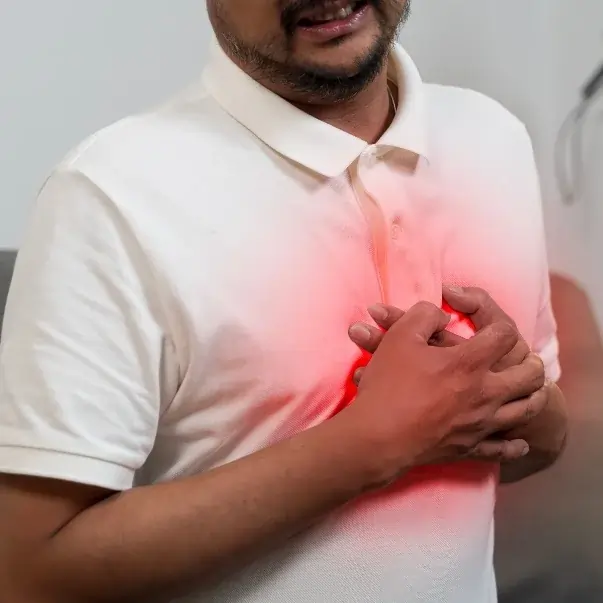
Chest pain (Angina)
Persistent chest discomfort due to reduced coronary blood flow

Critical limb ischemia
Severe leg pain, non‑healing ulcers, or tissue loss due to poor circulation

Shortness of breath
Especially during exertion

Acute heart attack
Emergency opening of a blocked artery to limit heart damage
Causes and Risk Factors
Arterial narrowing that leads to the need for angioplasty is usually the result of:
Atherosclerosis
Buildup of plaque (cholesterol, fats) within arterial walls
Coronary artery disease
Restricting blood flow to heart muscle
Peripheral artery disease (PAD)
Affecting legs or arms
Diabetes, high blood pressure, smoking, high cholesterol
Accelerate arterial disease
Buildup of plaque (cholesterol, fats) within arterial walls
Restricting blood flow to heart muscle
Peripheral artery disease (PAD)
Affecting legs or arms
Diabetes, high blood pressure, smoking, high cholesterol
Accelerate arterial disease
Aftercare & Lifestyle
Recommendations
Complications
If arterial blockages are not addressed, they can lead to serious and potentially life‑threatening complications:
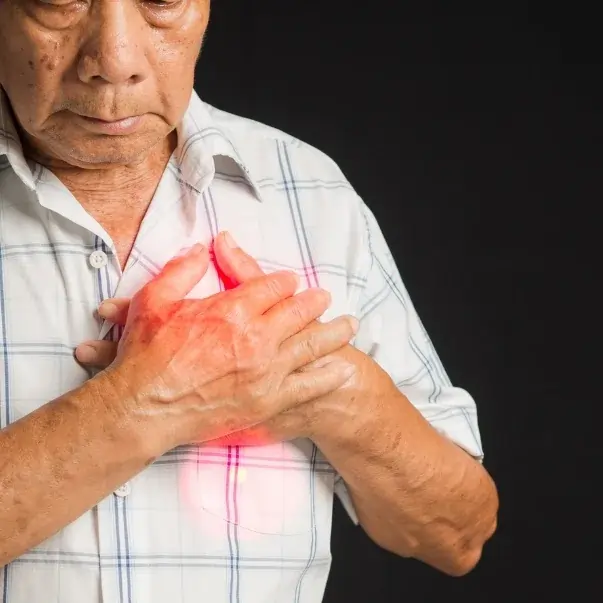
Heart Attack (Myocardial Infarction)
Reduced blood flow to the heart can trigger heart attacks.
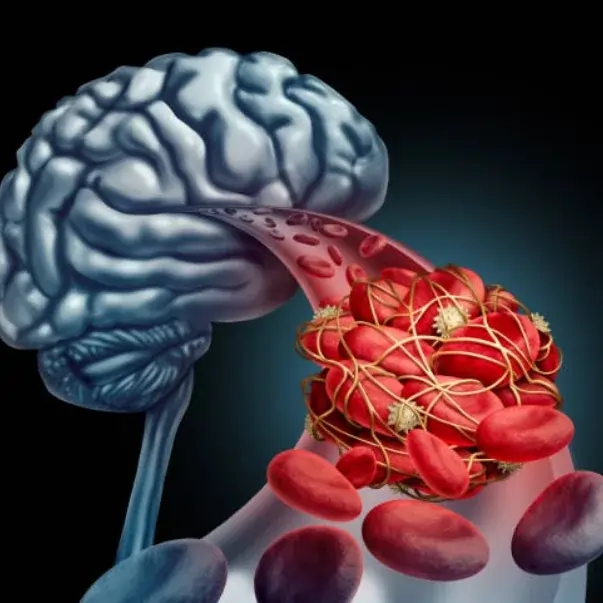
Stroke
Blockages in arteries supplying the brain may result in a stroke.
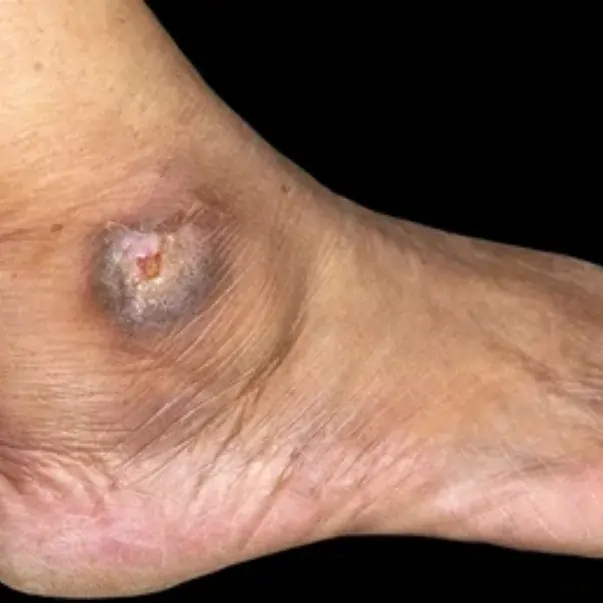
Critical Limb Ischemia
Severe narrowing in leg arteries can cause pain, non‑healing ulcers, or tissue loss.
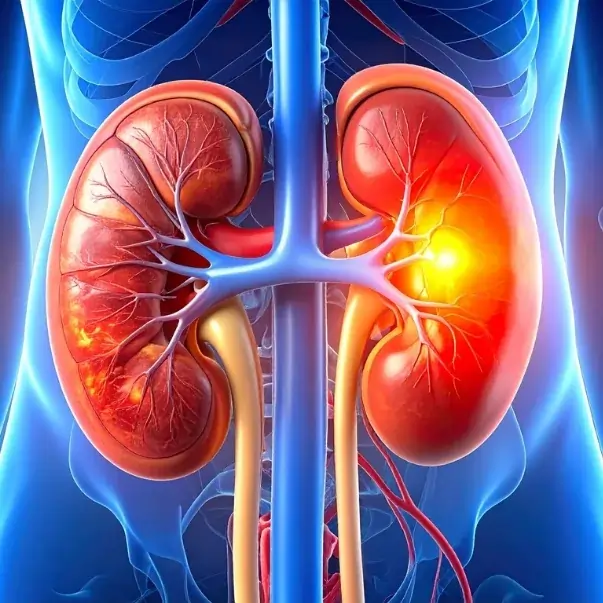
Organ Damage
Inadequate blood flow to vital organs like the kidneys or intestines may impair their function.
Femoral Angioplasty
Restoring Blood Flow in the Thigh Arteries
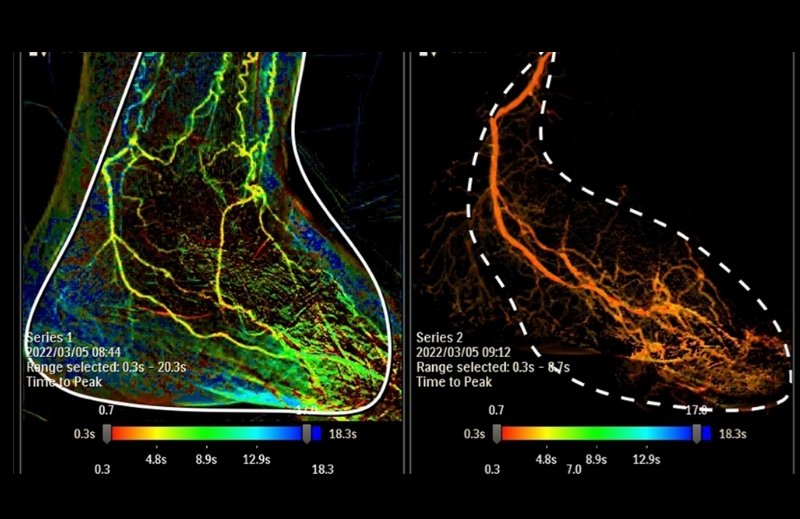
Femoral angioplasty treats narrowing or blockages in the femoral artery, which runs through the thigh. It helps improve blood flow, relieve leg pain, and prevent serious complications such as ulcers or gangrene.
When It’s Needed:
Femoral Angioplasty
Benefits Of Femoral Angioplasy
01.
Minimally invasive with faster recovery than open surgery
02.
Improves walking distance and reduces leg discomfort
03.
Reduces the risk of tissue loss or amputation
04.
Can be combined with stenting for long-term vessel support
Below-the-Knee Angioplasty
Targeted Intervention for Leg and Foot Arteries
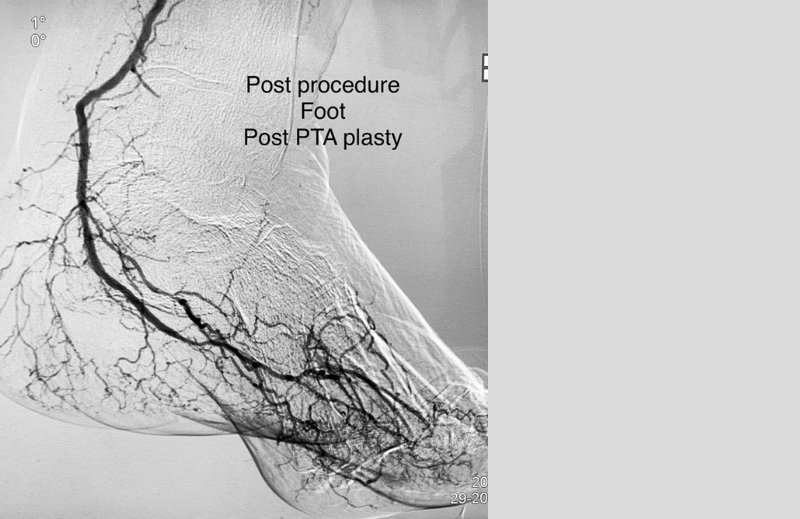
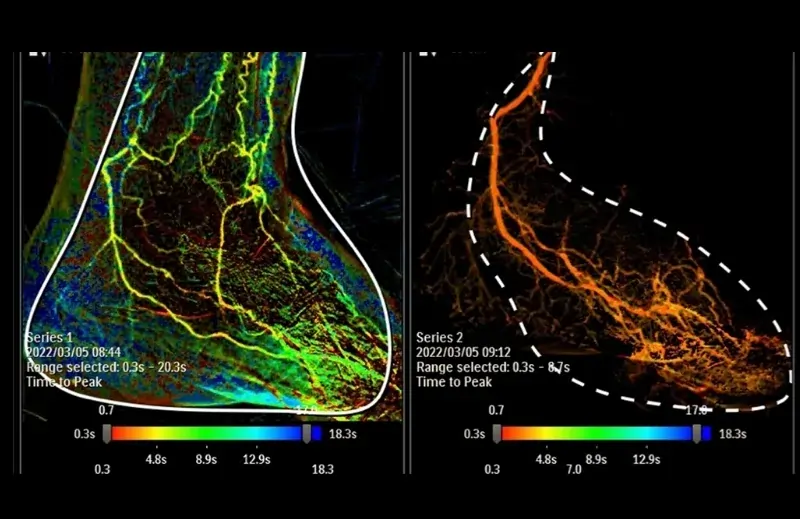
Below-the-knee angioplasty focuses on arteries supplying the lower leg, ankle, and foot, especially important for patients with diabetes, peripheral artery disease, or chronic wounds. Restoring circulation can prevent tissue damage and promote healing.
When It’s Needed:
Below-the-Knee Angioplasty
Benefits Of Below-the-Knee Angioplasty
01.
Minimally invasive with shorter hospital stay
02.
Promotes wound healing and reduces amputation risk
03.
Improves leg function and quality of life
04.
Can be repeated or combined with other interventions if needed
Renal, Mesenteric & Subclavian Stenting
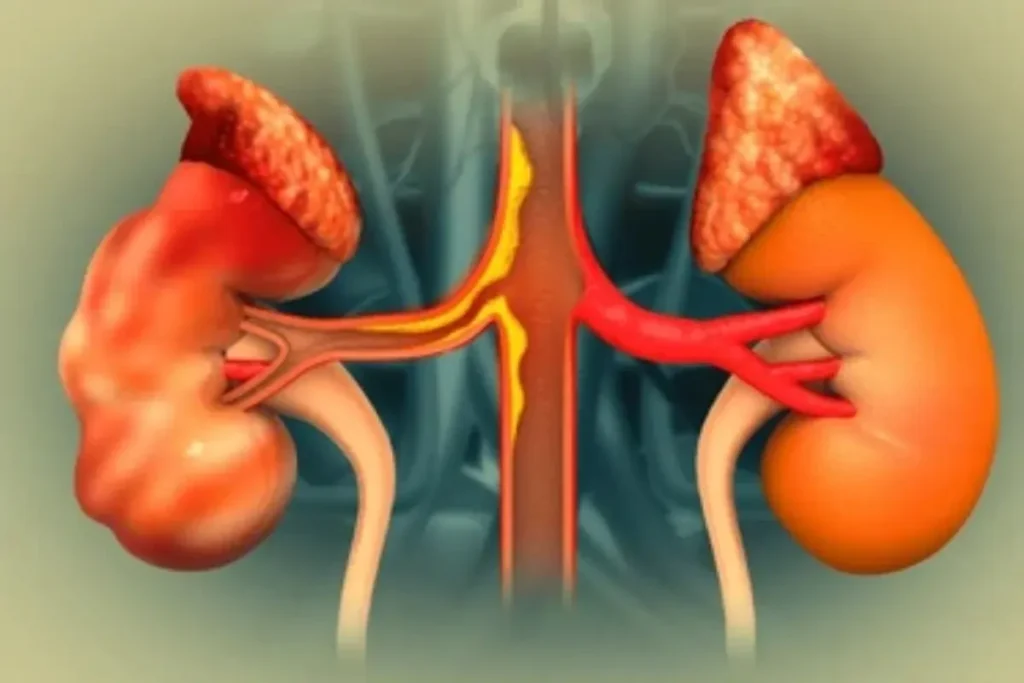
Renal, mesenteric, and subclavian stenting are minimally invasive procedures that restore blood flow in major arteries supplying the kidneys, intestines, and upper limbs. Using image‑guided techniques, expandable stents are placed across narrowed segments to relieve symptoms like high blood pressure, abdominal pain after eating, or arm weakness. These targeted interventions improve organ perfusion and patient quality of life while avoiding the need for open surgical approaches.
Treatment Options for Angioplasty
We customize the approach based on anatomy and disease severity. Key procedural options include:
Balloon Angioplasty
A balloon is inflated at the blockage to widen the artery and restore blood flow.
Stent Placement
A metal stent often drug‑eluting is implanted to provide ongoing support and help prevent restenosis.
Atherectomy (in select cases)
Specialized catheters remove plaque to improve outcomes when plaque is heavily calcified.

Why Consult Dr. Vatsal Agrawal For Angioplasty Treatment?
Dr. Vatsal is a leading interventional radiologist specializing in arterial interventions, with years of experience. Patients choose him for:
01. Expertise in Image‑Guided Arterial Procedures
Precision placement of catheters and stents with advanced imaging to ensure safety and effectiveness.
02. Personalized Treatment Planning
Every angioplasty is tailored to your unique vascular anatomy and clinical needs.
03. Focus on Safety & Comfort
Minimally invasive techniques with meticulous attention to patient comfort and reduced recovery time.
04. Comprehensive Follow‑Up Care
Thorough post‑procedure monitoring to support healing and long‑term vascular health.
Advanced Treatment. Safer Outcomes.
Answers to Your Most Common Questions
What is angioplasty and when is it recommended?
Angioplasty is a minimally invasive procedure used to open narrowed or blocked arteries and restore healthy blood flow. It is commonly recommended for conditions such as coronary artery disease, peripheral artery disease, and reduced blood flow causing chest pain or limb discomfort.
Is angioplasty a safe procedure?
Yes, angioplasty is considered a safe and effective treatment when performed by an experienced specialist. It is image-guided, requires only a small puncture, and carries fewer risks and a shorter recovery time compared to open surgery.
How long does recovery take after angioplasty?
Most patients recover quickly after angioplasty and can resume normal activities within a few days. Hospital stay is usually short, and recovery time depends on the patient’s overall health and the complexity of the procedure.
Will I need a stent during angioplasty?
In many cases, a stent is placed during angioplasty to keep the artery open and reduce the risk of re-narrowing. The decision to use a stent depends on the location and severity of the blockage.
What are the benefits of angioplasty compared to surgery?
Angioplasty offers effective symptom relief with minimal pain, smaller incisions, reduced complications, and faster recovery. It allows patients to return to daily life sooner while achieving long-term improvement in blood flow.
Why should you choose Dr. Vatsal Agrawal for angioplasty treatment?
Dr. Vatsal Agrawal combines advanced fellowship training with extensive experience in image-guided vascular procedures. His patient-centric approach, focus on safety, and expertise in minimally invasive angioplasty ensure precise treatment, quicker recovery, and reliable outcomes.
Have More Questions? Fill Out Our Quick Form and Get Answers
Dr. Vatsal Agrawal

He is a skilled Vascular & Interventional Radiologist known for performing advanced, minimally invasive arterial treatments with precision and safety.
Book Your Consultation With Dr. Vatsal
Schedule your evaluation for effective, minimally invasive management of arterial blockages.