Arterial Interventions
What Are Arterial Interventions?
Arterial interventions are modern, catheter based procedures that treat diseases of the arteries through a tiny skin puncture, avoiding the need for large incisions. These treatments restore blood flow, strengthen weakened vessels, and address life threatening aortic conditions.
Using real-time imaging and advanced stent/balloon systems, arterial interventions are effective for patients with poor leg circulation, aortic aneurysms, renal artery disease, abdominal vessel diseases, and limb-threatening ischemia.
They help improve walking ability, reduce pain, promote wound healing, prevent organ damage, and in many cases, save limbs and lives.
Symptoms of Arterial Diseases
Arterial problems often develop silently and gradually. When the arteries supplying your legs, abdomen, or upper body become narrowed or blocked, the body starts showing warning signs. These symptoms should never be ignored, as they may indicate reduced blood flow to vital organs and limbs.
Leg Pain While Walking (Claudication)
A cramping, tight, or heavy feeling in the hips, thighs, or calves that starts during walking and improves with rest. This is one of the earliest signs of reduced blood flow to the legs.
Rest Pain in Legs or Feet
Pain, numbness, or burning sensation in the legs even while resting or lying down, especially at night. This indicates critically low circulation.
Darkened Toes or Skin Discoloration
Blackened toes, bluish skin patches, or shiny skin indicate critical ischemia and risk of tissue damage.
Arm Fatigue, Weakness, or Dizziness
Symptoms of subclavian artery narrowing affecting blood supply to the arms or brain.
Reduced Walking Distance Over Time
Gradually worsening ability to walk short distances without pain indicates progressive arterial disease.
Abdominal Pain After Meals
Pain 20–30 minutes after eating due to poor blood supply to the intestines. Often leads to food fear and weight loss.
Leg Pain While Walking (Claudication)
A cramping, tight, or heavy feeling in the hips, thighs, or calves that starts during walking and improves with rest. This is one of the earliest signs of reduced blood flow to the legs.
Pain, numbness, or burning sensation in the legs even while resting or lying down, especially at night. This indicates critically low circulation.
Darkened Toes or Skin Discoloration
Blackened toes, bluish skin patches, or shiny skin indicate critical ischemia and risk of tissue damage.
Arm Fatigue, Weakness, or Dizziness
Symptoms of subclavian artery narrowing affecting blood supply to the arms or brain.
Reduced Walking Distance Over Time
Gradually worsening ability to walk short distances without pain indicates progressive arterial disease.
Abdominal Pain After Meals (Mesenteric Ischemia)
Pain 20–30 minutes after eating due to poor blood supply to the intestines. Often leads to food fear and weight loss.
Aftercare & Lifestyle
Recommendations
Common Causes of Arterial Disease
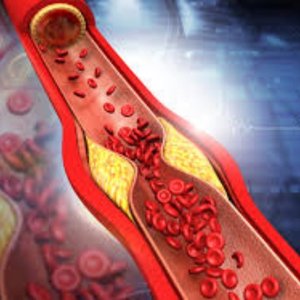
Atherosclerosis
The most common cause, where fatty deposits build up inside arteries.

High Cholesterol Levels
Increases plaque formation and thickening of the arteries.
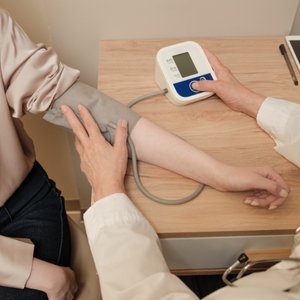
High Blood Pressure
Causes constant stress on artery walls, leading to damage.

Smoking
One of the strongest risk factors directly injures artery walls and reduces blood flow.
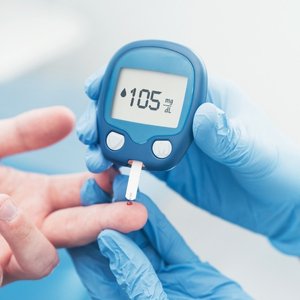
Diabetes
Damages blood vessels and accelerates plaque
formation.
Diagnostic Tests for Arterial Disease
To accurately diagnose arterial disease and determine the most suitable treatment, several non-invasive and minimally invasive tests are used. These tests help identify the exact location, severity, and type of blockage or vessel abnormality and allows early detection, accurate diagnosis, and effective planning for minimally invasive arterial interventions.
Doppler Ultrasound
A painless test that measures blood flow in the arteries and detects blockages or reduced circulation., thighs, or calves that forces you to stop walking.
CT Angiography (CTA)
Provides 3D images of the arteries, helping identify narrowings, aneurysms, or dissections with high accuracy.
MR Angiography (MRA)
Uses magnetic imaging to assess artery health without radiation, suitable for patients who cannot undergo CT scans.
Blood Tests
To check cholesterol levels, blood sugar, kidney function, and other markers linked to arterial problems.
Specialized Procedures Under Arterial Interventions
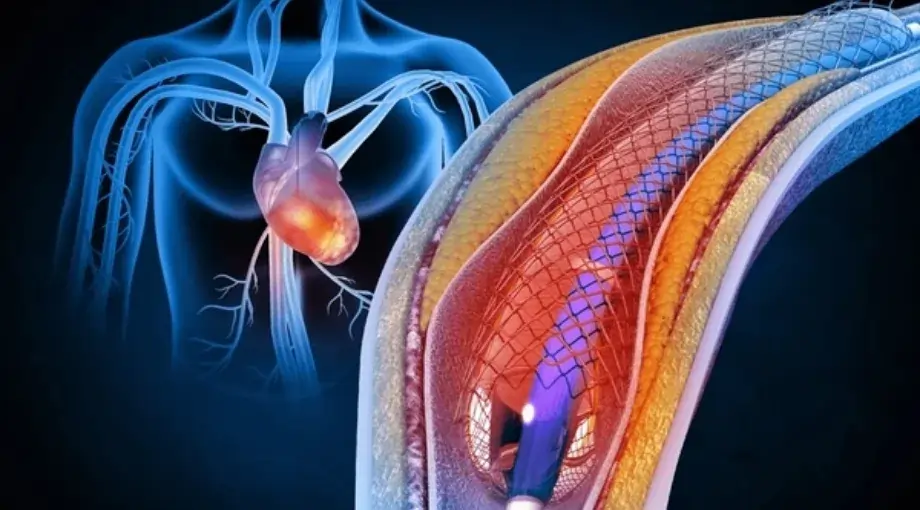
Angioplasty
Angioplasty is a minimally invasive procedure used to open narrowed or blocked arteries and restore healthy blood flow to vital organs and limbs. It helps relieve pain, improve circulation, and prevent serious complications such as non-healing wounds or limb-threatening conditions. Image-guided techniques ensure precision, safety, and faster recovery compared to open surgery.
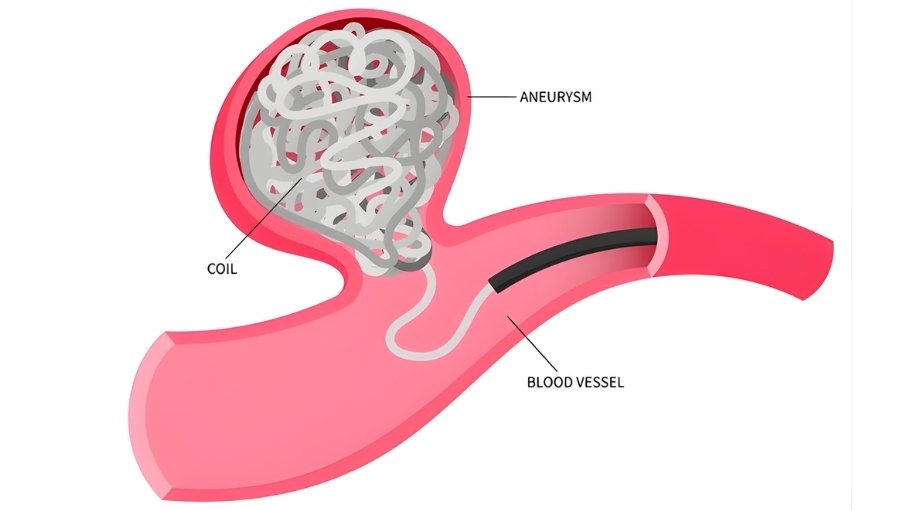
Embolization
Embolization is a minimally invasive, image-guided procedure used to block abnormal or excessive blood flow to targeted areas of the body. It is commonly performed to control bleeding, shrink tumors, treat vascular malformations, or reduce blood supply before surgery. By precisely sealing specific blood vessels without open surgery, embolization offers effective results with minimal pain, lower risk of complications, and faster recovery.
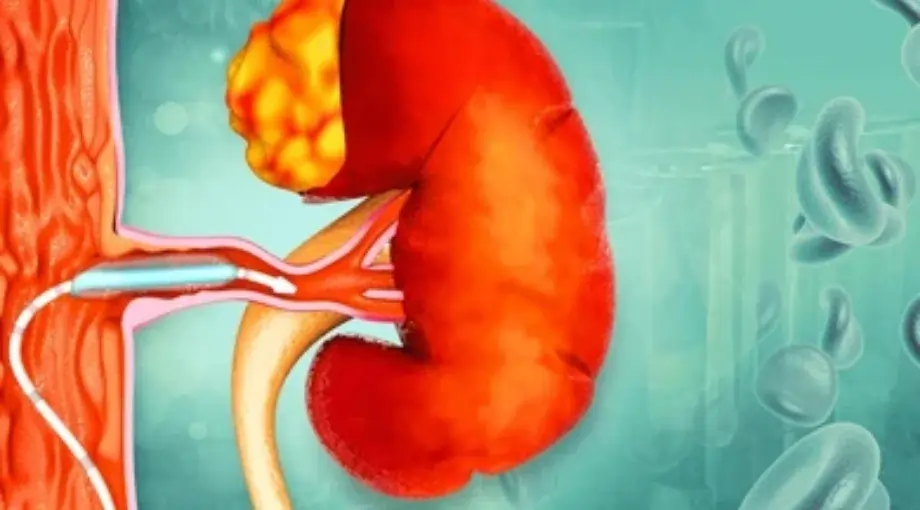
Other Miscellaneous Arterial Services
Other miscellaneous arterial interventions include advanced endovascular treatments for complex aortic and large-vessel conditions such as aorto-iliac disease, aortic aneurysms, dissections, and critical artery blockages supplying the kidneys, intestines, or upper limbs. These minimally invasive procedures restore blood flow, stabilize life-threatening conditions, and reduce the need for open surgery while ensuring faster recovery and improved outcomes.
Benefits of
Minimally Invasive Arterial Procedures
No Major Surgery Required
Performed through a tiny puncture with minimal pain and scarring.
Faster Recovery
Most patients return to daily activities within days.
High Success Rates
Modern stents and imaging technologies provide long-lasting results.
Suitable for High-Risk Patients
Ideal for elderly individuals or those unfit for open surgery.
Improved Quality of Life
Better circulation leads to improved walking ability, reduced pain, and faster wound healing.
Aftercare & Lifestyle Recommendations

Continue blood thinners as prescribed

Maintain a healthy diet and weight
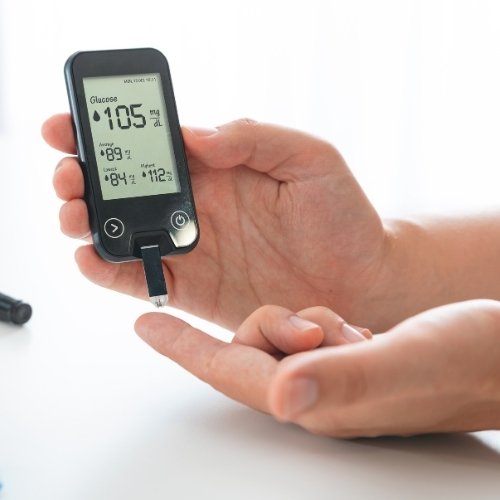
Manage cholesterol, sugar and blood pressure

Walk regularly to promote circulation

Why Consult Dr. Vatsal Agrawal For Arterial Interventions Treatment?
01. Dual FVIR Fellowships
Advanced training from Nanavati Max Hospital and Mumbai Vascular Foundation (MVF), specialising in complex endovascular procedures.
02. Experience Across Major Hospitals
Worked with leading vascular units at Hinduja, Saifee, Breach Candy, Raheja, Nanavati Max, and Heart & Vascular Superspeciality Hospitals.
03. Pinhole, Image-Guided Techniques
All procedures performed with advanced imaging for accuracy, safety, and minimal discomfort.
04. Patient-Focused Approach
Clear communication, personalised treatment planning, and dedicated follow-ups ensure the best long-term outcomes.
Frequently Asked Questions
No. They are performed under local anesthesia, and most patients feel only mild pressure.
Most patients walk the same or next day and return home within 24 - 48 hours.
Not always. Stents are used only if the artery is significantly blocked or at risk of collapsing.
Yes. They are safer than open surgery and ideal for high-risk patients.
Yes. Regular check-ups and Doppler scans ensure the treated artery stays open.
Yes. Restoring blood flow helps heal wounds and reduces the risk of limb loss.
International Recognition & Approval
Angioplasty
Approved by the European Society of Cardiology (ESC)
Angioplasty has been endorsed by the European Society of Cardiology (ESC) as a safe and effective treatment for improving blood circulation and healing critical wounds, especially in patients with peripheral artery disease.
Dr. Vatsal Agrawal
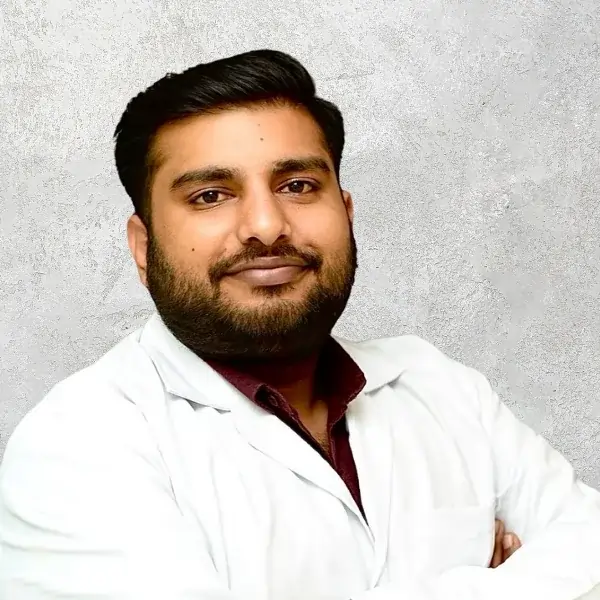
He is a skilled Vascular & Interventional Radiologist known for performing advanced, minimally invasive arterial treatments with precision and safety.
Book Your Consultation With Dr. Vatsal
Get advanced, minimally invasive treatment for blocked or damaged arteries. Restore blood flow safely with expert arterial care.